

Spine Care
Sciatica: when your leg joins the back-pain conversation
Leg pain, tingling and numbness deserve a careful assessment. Here is where acupuncture may fit.
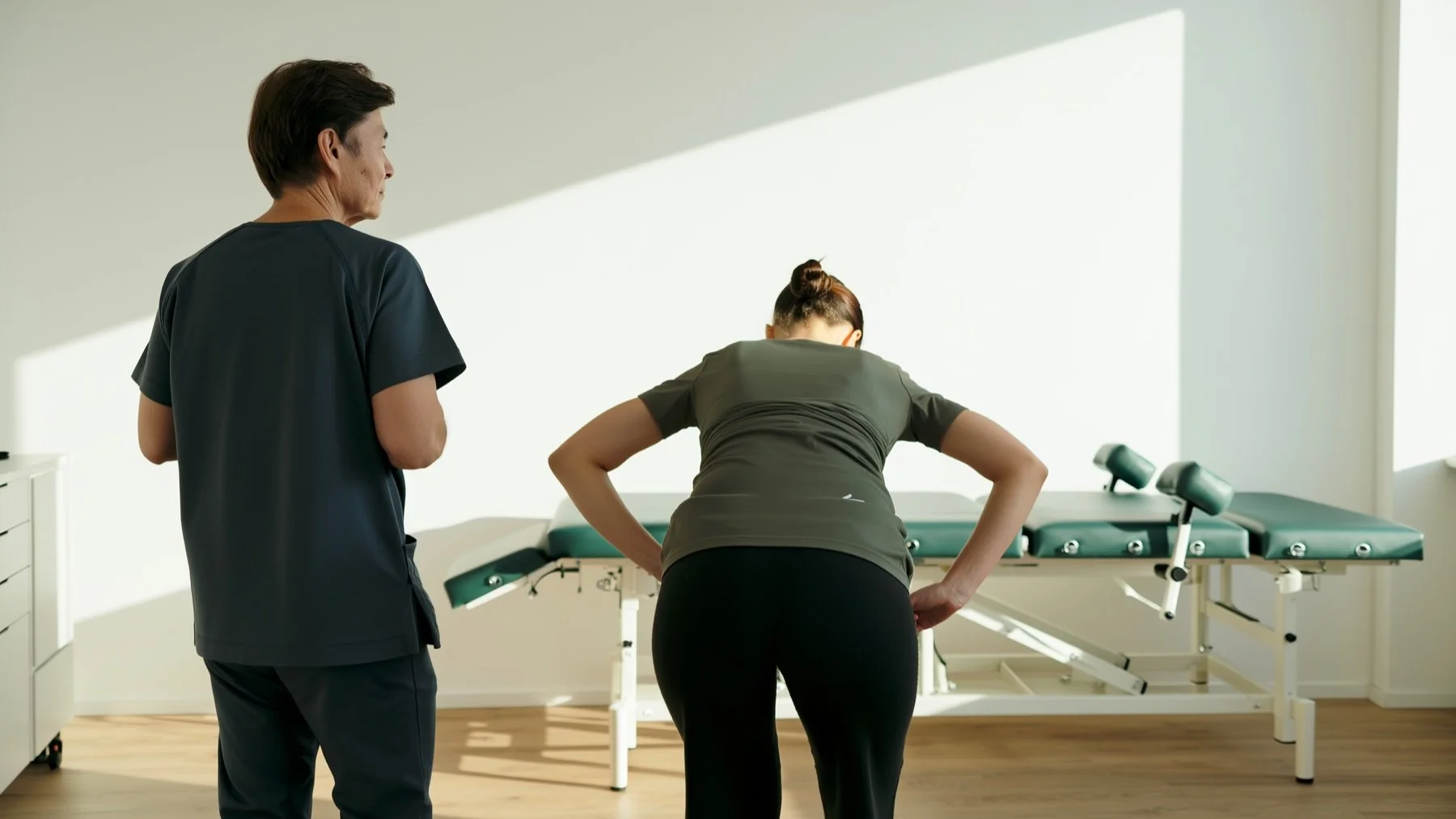
Your back may be the starting point, but the complaint can travel: into the buttock, down the leg and sometimes into the foot. People often call all of this sciatica. The label is useful, but it is not the whole diagnosis.
Follow the symptoms carefully
Sciatica usually describes pain associated with irritation of nerve roots that contribute to the sciatic nerve. A herniated disc is one possible cause. Hip problems and other conditions can produce overlapping symptoms, which is why I do not choose a treatment just because a pain diagram looks familiar.
I want to know where the symptoms travel, whether there is weakness or numbness, what changes them and what has already been evaluated. Walking, sitting, sleep and your neurological symptoms all help guide the next step. Imaging or specialist care may be appropriate depending on the findings.
What a useful study found
A 2024 randomized trial compared acupuncture with sham acupuncture in people with chronic sciatica from a herniated disc. The acupuncture group had less leg pain and better function after four weeks, with benefits persisting through the 52-week follow-up. That is encouraging evidence for this specific patient group. [1]
The study does not show that acupuncture repairs a disc, that every form of leg pain responds, or that our exact program produces the same results. It studied acupuncture; it should not be used to claim that adding electrical stimulation is necessarily superior.
What care looks like here
When the assessment supports conservative care, I may use acupuncture, appropriately selected electroacupuncture and hands-on work for surrounding muscle tension. We also look at which everyday positions and activities are tolerable. The home plan should fit your symptoms, not the most dramatic stretch on your feed.
Pulling harder on an irritated leg is not automatically productive. If a stretch sends pain farther down the leg or increases tingling, stop and have the movement reassessed. We can adjust the plan around what your body actually tolerates.
What we watch for
Improvement might mean walking farther, sitting through a meal, sleeping more comfortably or having fewer episodes of radiating pain. Strength and sensation deserve attention too. Feeling temporarily looser does not cancel out worsening weakness.
New urinary retention or incontinence, loss of bowel control, numbness around the groin or rapidly progressing weakness needs emergency evaluation. New foot drop or worsening neurological symptoms also warrants prompt medical assessment.
If you have already had imaging or a specialist consultation, bring the report. We can build on that information and discuss where supportive treatment fits alongside your medical care.
Sources and further reading
Educational information, not an individual diagnosis or treatment plan. Results vary. Research discussed here did not test the ATRIUM program as a whole.
Your first visit includes a consultation, assessment and treatment when appropriate. A program is a separate decision.
Book Spine Assessment ↗