
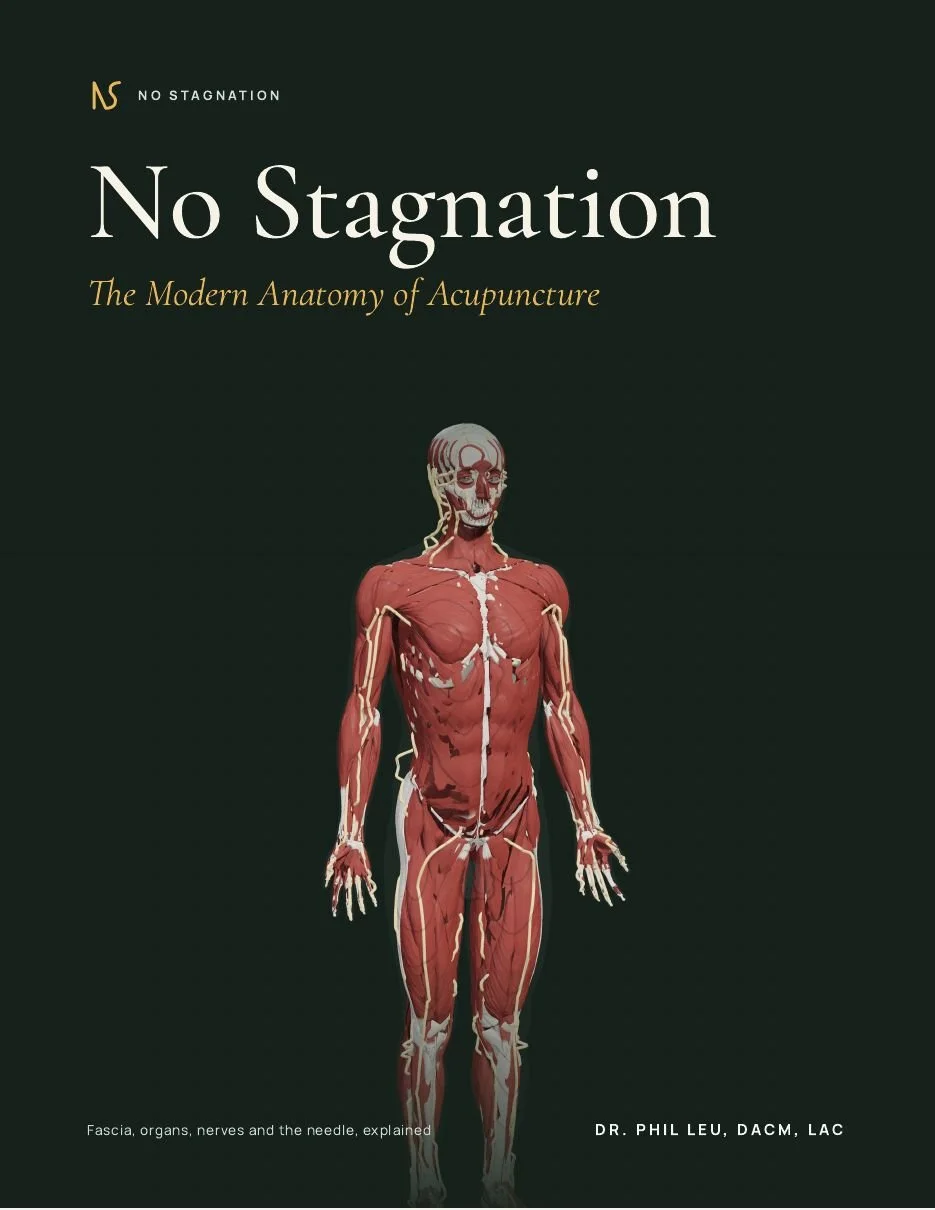
No Stagnation
The Modern Anatomy of Acupuncture
Why does your shoulder hurt when the problem is under your ribs? Why does back pain ease when you lie down? What actually happens when a needle goes in? Dr. Phil Leu answers in plain English and precise anatomy. This book is where a decade of teaching comes together, synthesised through about 50,000 hands-on sessions.
How it helps you
Understand your body, not just your symptoms
If something hasn't settled
Learn why pain shows up away from its source, which organs and nerves sit behind everyday symptoms, what you can do daily, and the red flags that need a doctor first.
Bodyworkers and movement teachers
See how the channels line up with the fascial lines, organs and nerves you already work with, so you can look past the sore spot to the line or organ behind it.
Students and clinicians
The nerves, vessels and fascial planes under every key point, the cited research, and a modern reading of the patterns, so you can treat more precisely and explain it clearly.
What's inside
Ten chapters, from the needle tip to the brain
Look inside
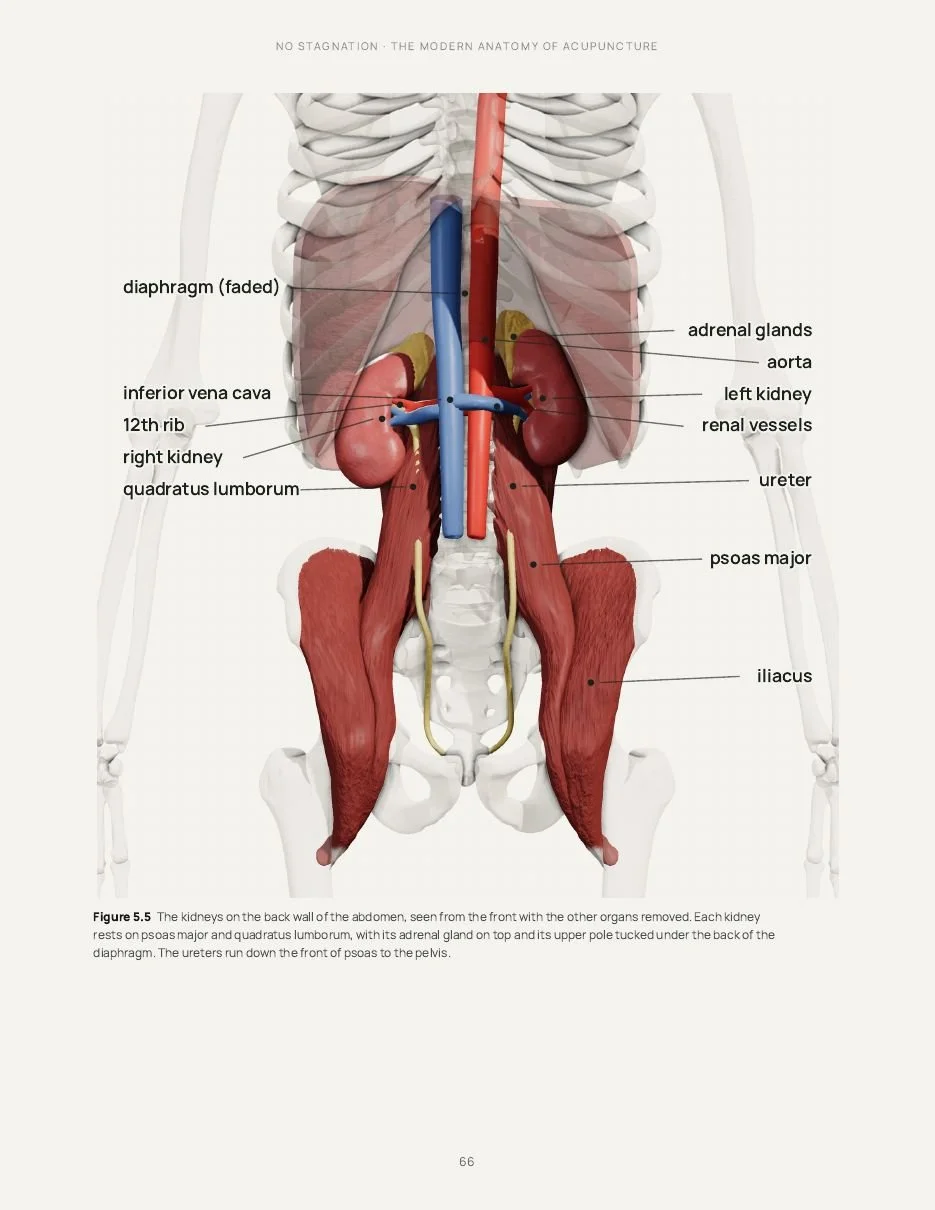
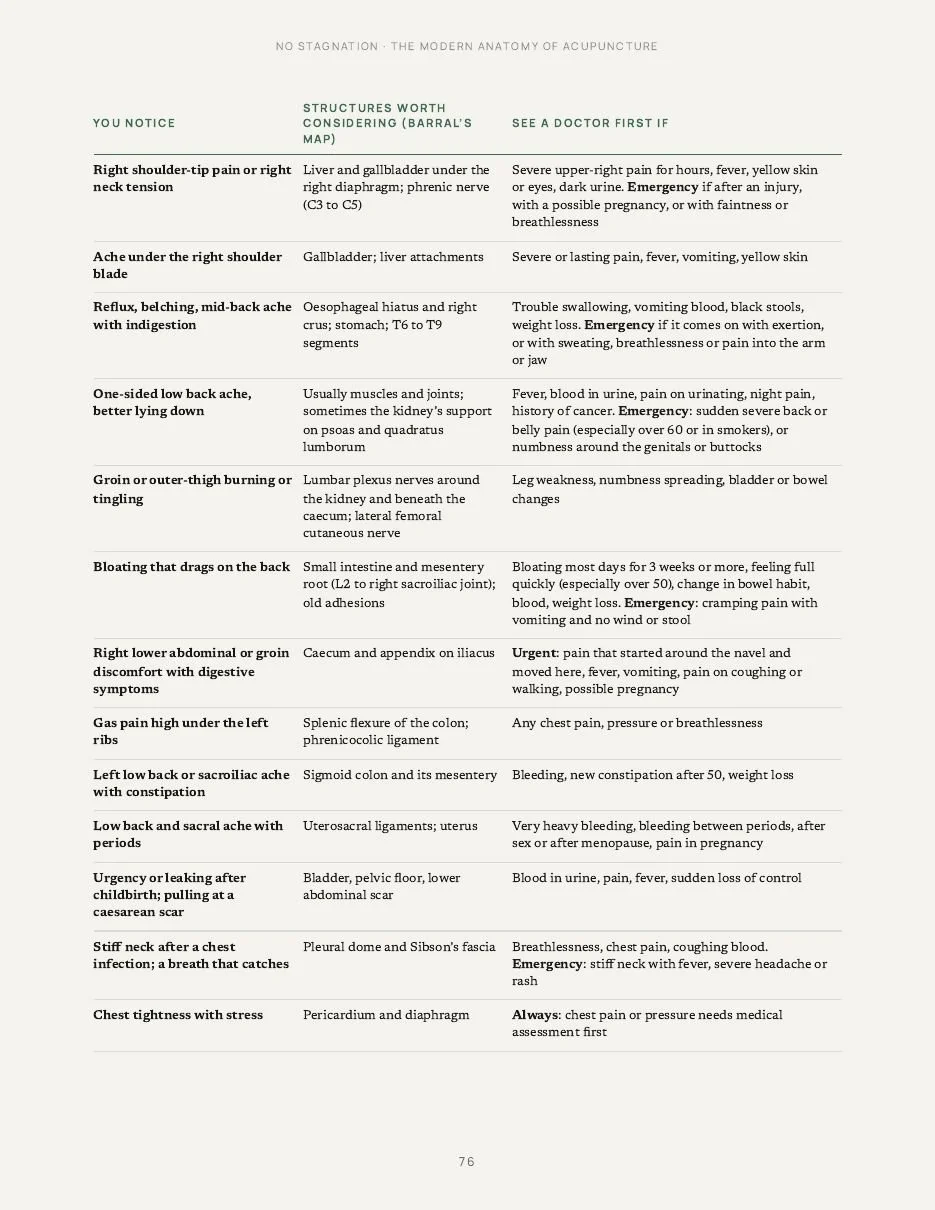
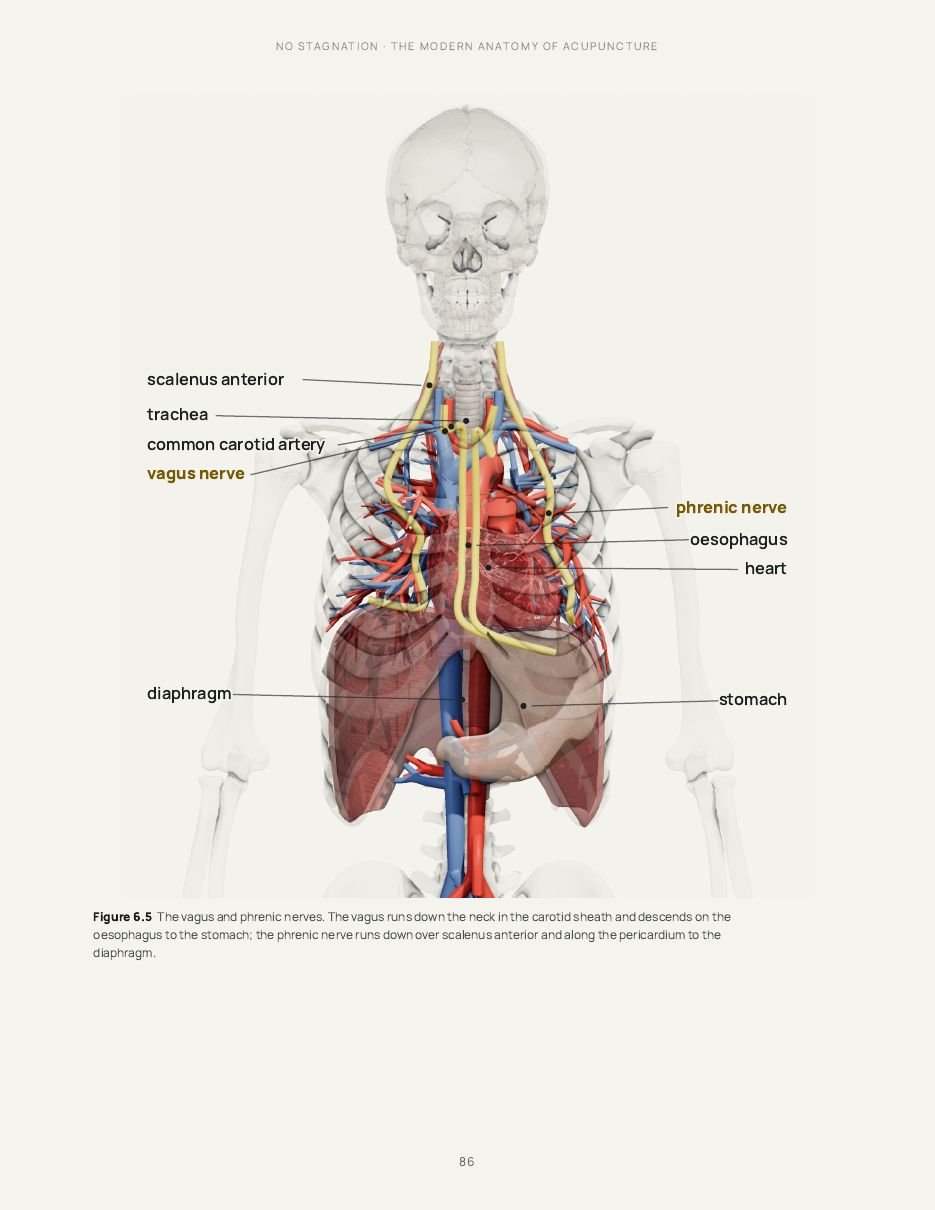
Atlas-style 3D anatomy, every structure labelled
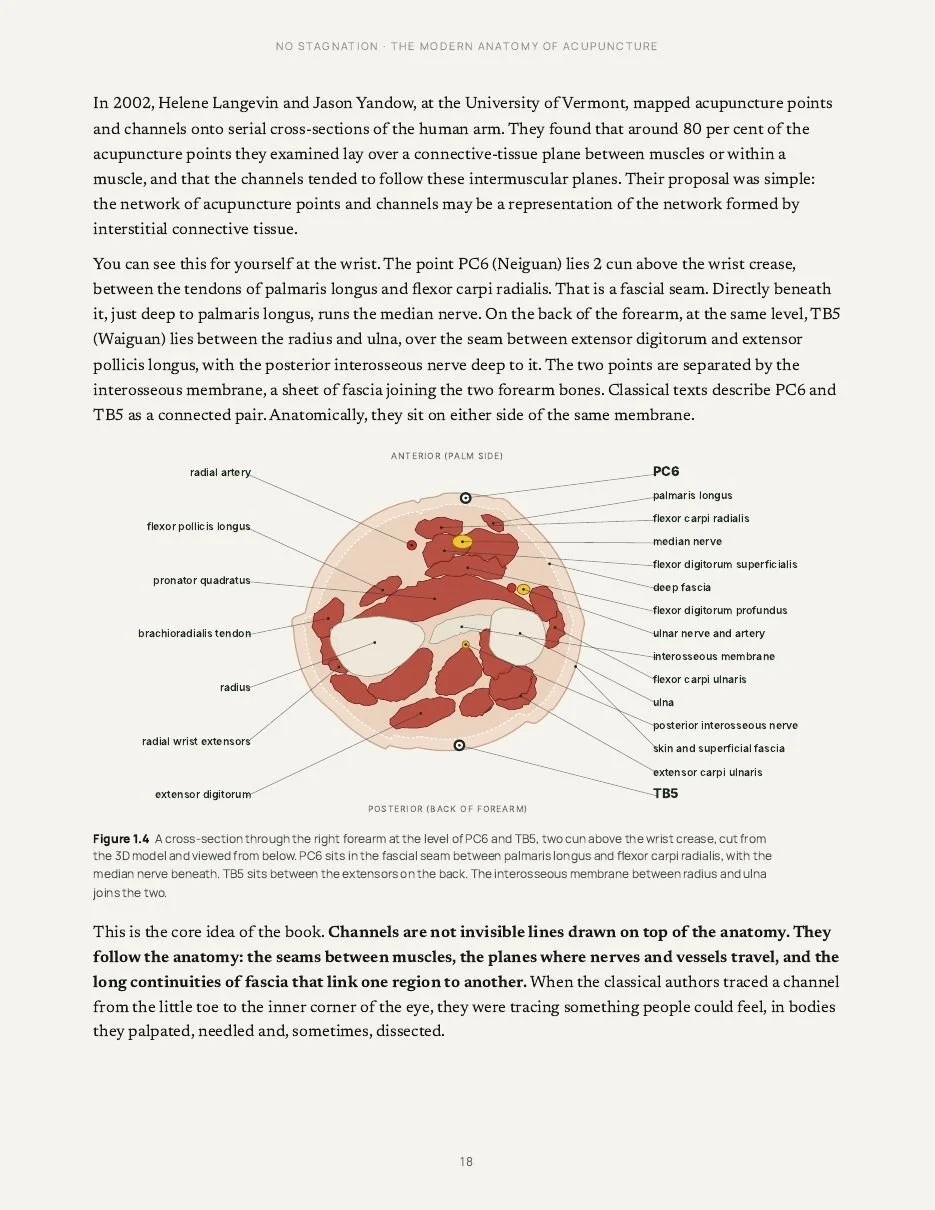
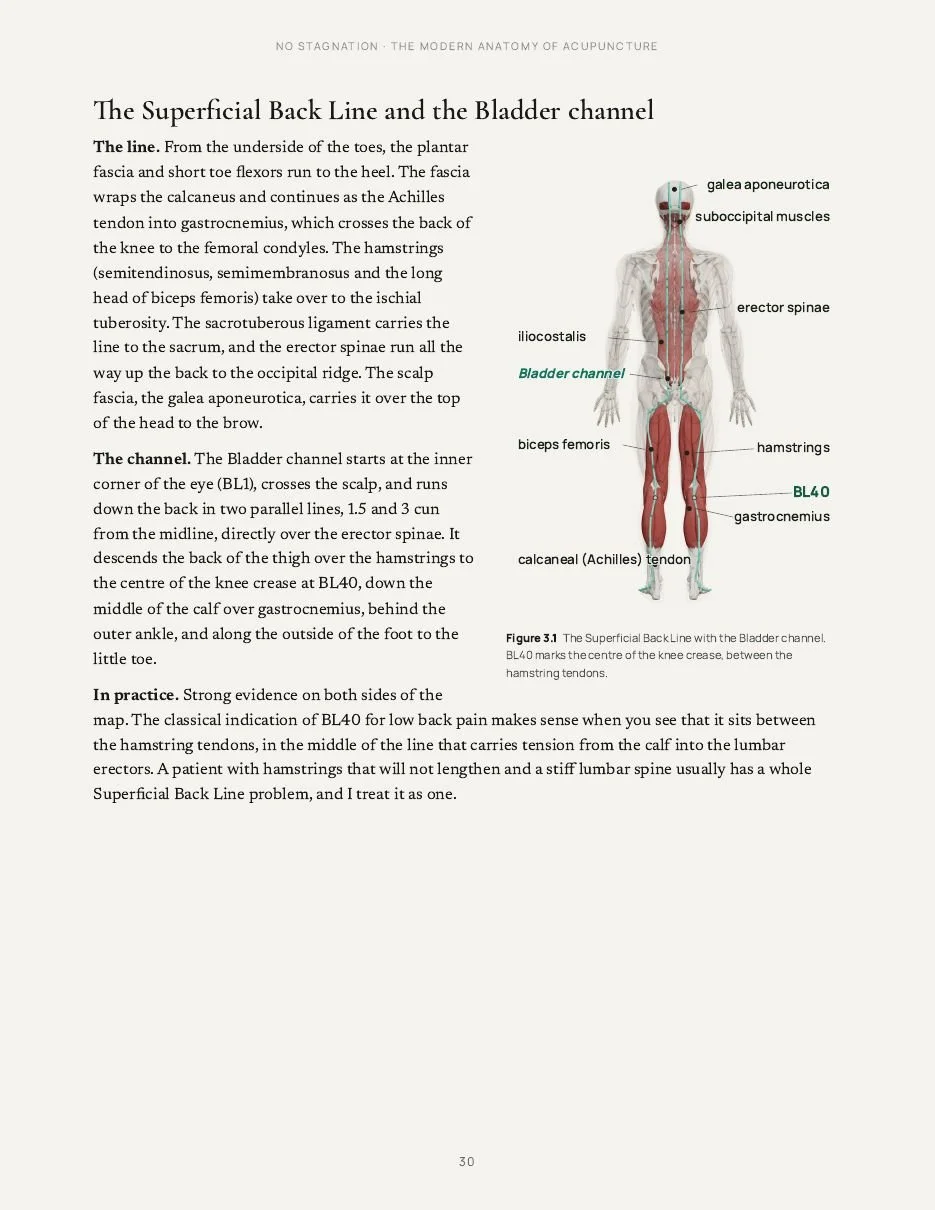
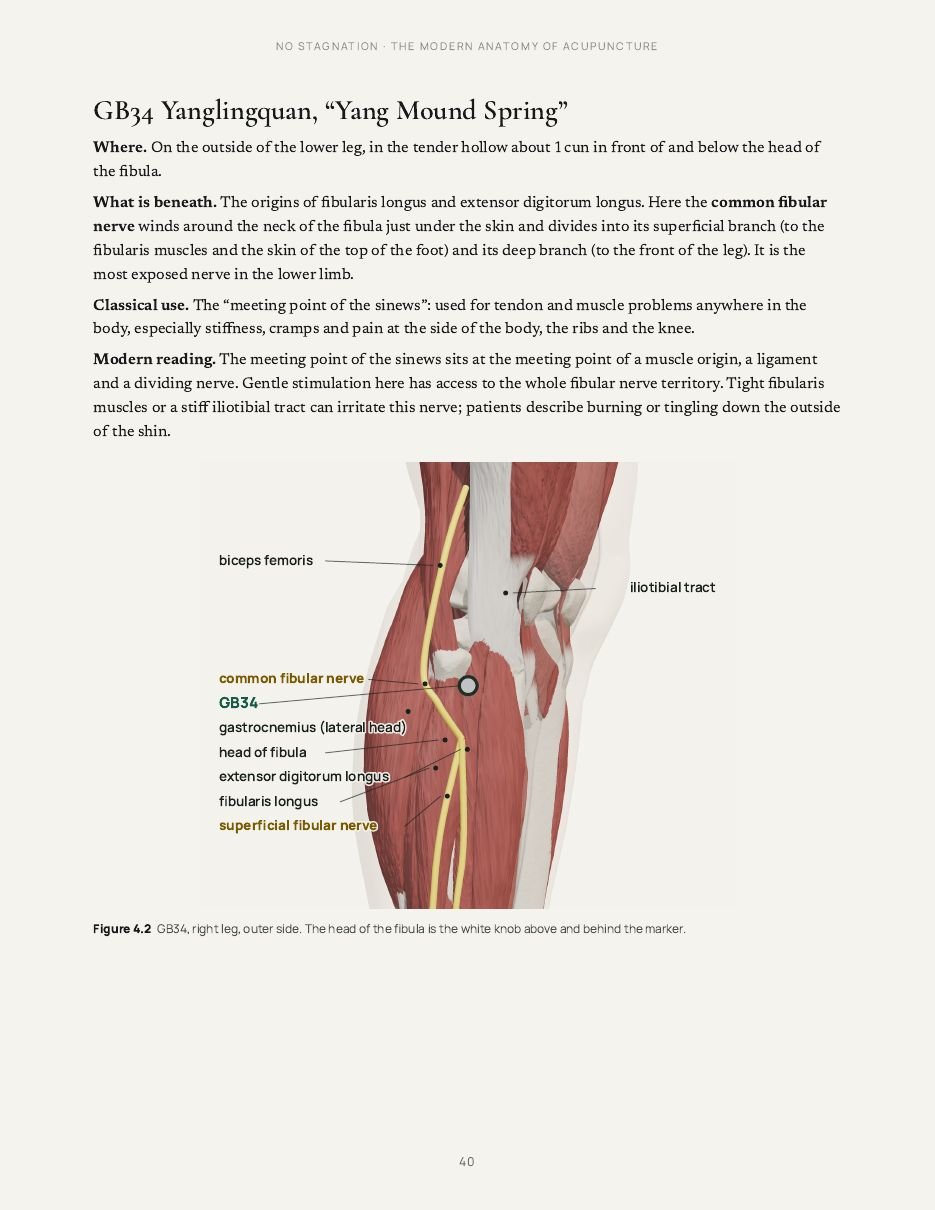
Each plate is rendered from a full 3D model of the human body in the colour conventions of the classic anatomy atlases: muscle, tendon, bone, nerve, artery and vein. Channels, nerves and points are placed by Dr. Phil using the landmarks in the text.
Get the book
One purchase, yours to keep
- The full 113-page illustrated PDF
- Read it on any phone, tablet or computer, or print it
- Free updates to this edition
- Everything in the ebook
- The companion Anatomy Plates: 49 labelled, print-ready plates, one per page
- Made for study, the treatment room or the classroom wall
Instant download after checkout. If the book isn't what you expected, email within 30 days for a full refund.
The author
Dr. Phil Leu, DACM, LAc
Founder of ATRIUM, Scottsdale · Licensed in Arizona and California · 10+ years and around 50,000 sessions
"After a decade in practice, I see Chinese medicine as one of the most detailed maps of the body ever drawn. This book is about the ground underneath."
This book is where a decade of different teachings comes together. Dr. Phil trained directly in the Barral Institute's visceral and neural manipulation and Jeremy Steiner's electroacupuncture, and learned Keown, Myers, Deadman and Maciocia from their books. He brought them together in his own hands, one patient at a time. No Stagnation is the phrase he has repeated for ten years: tissue that moves stays healthy.
Daniel Keown, The Spark in the Machine: embryology and the channels
Thomas Myers, Anatomy Trains: myofascial lines
Barral Institute: visceral and neural manipulation
Jeremy Steiner: electroacupuncture training
Peter Deadman, A Manual of Acupuncture: point locations
Giovanni Maciocia: patterns of Chinese medicine
These are the influences on Dr. Phil's training. They have not reviewed or endorsed this book.
Read Chapter 1 free
Get the preface and Chapter 1, "One continuous body", with its plates, sent to your inbox.
Questions
Before you buy
What format is it?
A PDF designed for reading on screen and for printing on US Letter paper. It opens on any phone, tablet or computer. You'll get a download link straight after checkout.
Do I need a background in anatomy?
No. Every term is explained the first time it appears. If you do have a background in anatomy, you'll find the detail you expect: named nerves, spinal levels and attachments.
Will this teach me to do acupuncture?
No. It explains how acupuncture works and what lies under the points, so you can understand it. Needling, electroacupuncture and herbal medicine should only be done by a licensed practitioner. Chapter 9 includes safe self-care you can do at home.
Is this medical advice?
No. The book is for education. It doesn't replace diagnosis or treatment, and it doesn't promise any particular result. Chapter 10 lists the signs that need a doctor.
What's in the Anatomy Plates?
All 49 figures from the book, one per page and larger, with their labels and captions. They're made for study, teaching and printing.
What's the refund policy?
If the book isn't what you expected, email within 30 days of purchase for a full refund.
